Marcelo Cedeño: From Personal Portfolio to a Multidisciplinary Studio
Editorial note: Prepared with AI assistance for Marcelo Cedeño’s own publication, using the sources linked below. This is a commissioned profile, not independent reporting.
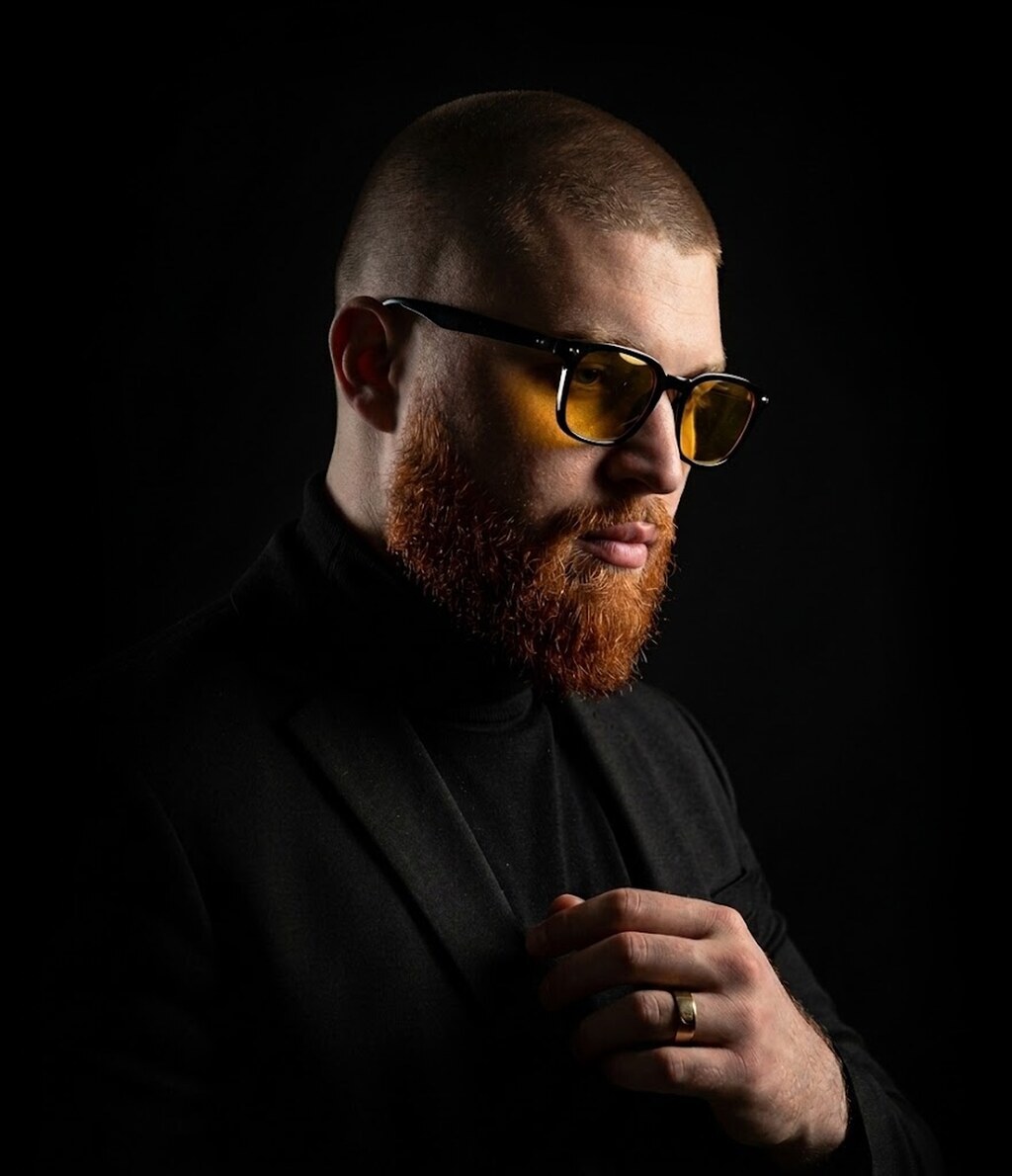
Marcelo Cedeño’s work sits at the meeting point of personal expression and a team’s collective craft. The Venezuelan entrepreneur, from Anzoátegui, founded MDX, a studio that brings design, development, 3D and motion into the same project. He is also the founder of HorizonX, a library of creative resources for people building digital products.
A name for the person, a name for the team
On his personal site, Cedeño describes Marcelo Design X as the place for his ideas and writing, while MDX is the studio he founded to build work with a team. In his account, the distinction developed as projects grew: what began with one person and a laptop became a broader practice encompassing websites, apps, brands and three-dimensional experiences.
That distinction offers a useful way to read his portfolio. A personal site can show the thinking behind a practice; a studio needs processes that allow designers and developers to carry an idea from a brief to a finished product. The MDX team page identifies Cedeño as CEO and founder and presents a multidisciplinary team. The work belongs to that team, not to its founder alone.
Designing for exploration
MDX describes its work as a combination of interface design, development, 3D and motion, with storytelling guiding the result. An immersive site can use depth and interaction to invite exploration, but the creative challenge is also to make the next step clear. MDX’s own discussion of 3D web design points to performance, mobile behavior and practical goals as considerations alongside visual ambition.
The studio’s work has received international recognition: the official MDX Awwwards profile lists six Honorable Mentions, including recognition for MDX, Flight Path, 73 Strings, Drip Aqua, Eatnaked and Unitree Go2 — AI Robots.
From client projects to shared resources
HorizonX applies a different model: instead of a single commissioned website, it offers a library of interface kits, components and editable design resources for other creators to adapt. Information supplied for this profile reports 16,000 registered users; that figure was not independently verified from the public site at the time of writing.
Together, the two projects show two ways of working with digital craft: making a specific experience for a client and creating materials that help others make their own. They are connected by a recurring concern in Cedeño’s published work: how design decisions translate into an experience someone can actually use.
Comments
Post a Comment